Manga vs Manhwa vs Webtoon: What's the Difference?
Japanese manga, Korean manhwa, and webtoons might look similar at first glance, but they have distinct origins, formats, and conventions. Here's everything you need to know.
 Watashi Games|
Three Traditions, One Medium
Comics exist in every culture, but East Asian comics have developed three distinct traditions that dominate the global market. Understanding their differences helps you appreciate each form — and understand why colorization matters differently for each.
At a glance: manga comes from Japan and is typically black-and-white, manhwa comes from Korea and can be either format, and webtoons are a digital-native format designed for phone screens — usually in full color.
Manga (Japanese Comics)
Manga is the Japanese word for comics. The modern manga industry dates back to post-WWII Japan, heavily influenced by Osamu Tezuka (Astro Boy, Kimba the White Lion). Today, manga is a massive industry — Weekly Shōnen Jump alone sells millions of copies per issue.
Manga is read right-to-left, which can take Western readers time to adjust to. Pages are designed for this reading direction, with panel flow guiding your eyes from right to left, top to bottom.
The black-and-white format is both an artistic tradition and a practical necessity. Weekly serialization schedules are punishing — artists produce 15-20 pages per week. Adding color would be impossible at that pace. Only cover pages and special chapters get full color treatment.
This is exactly why manga colorization has become so popular. Readers love the stories but want the visual richness of color. AI colorization makes it possible to colorize entire series without the prohibitive cost of manual work.
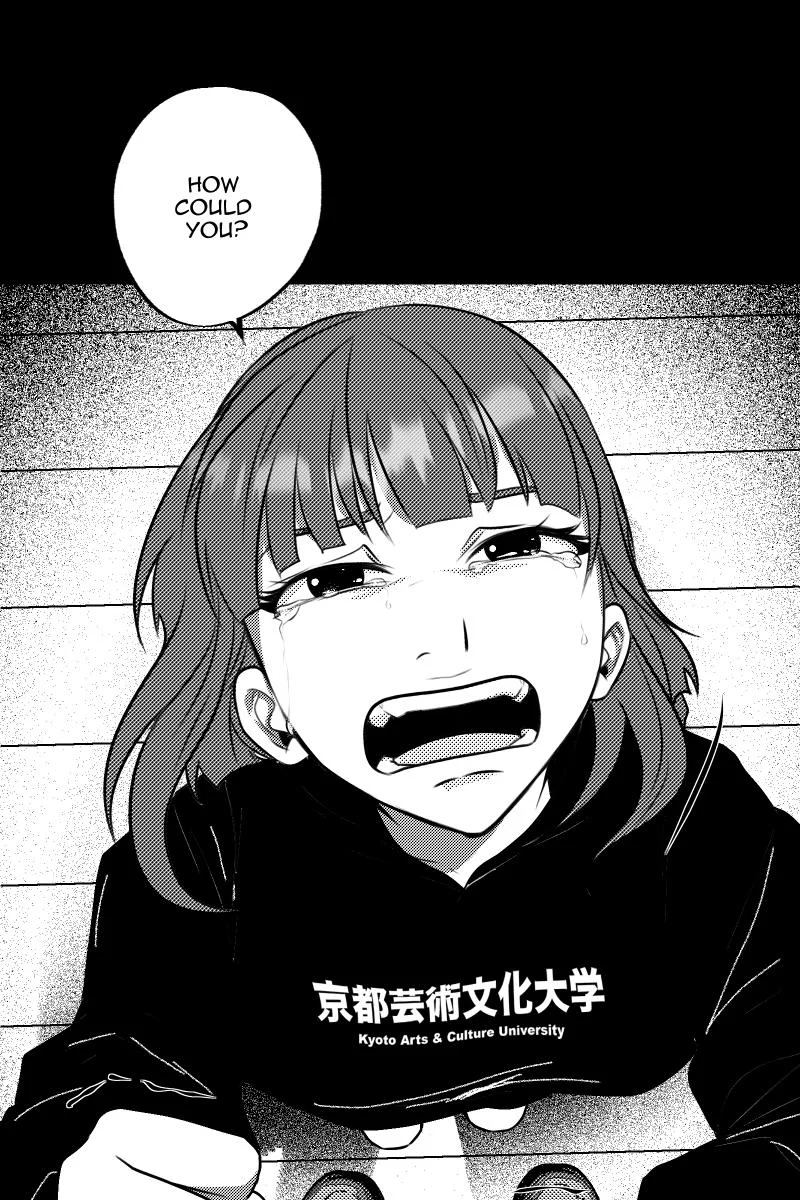
B&W
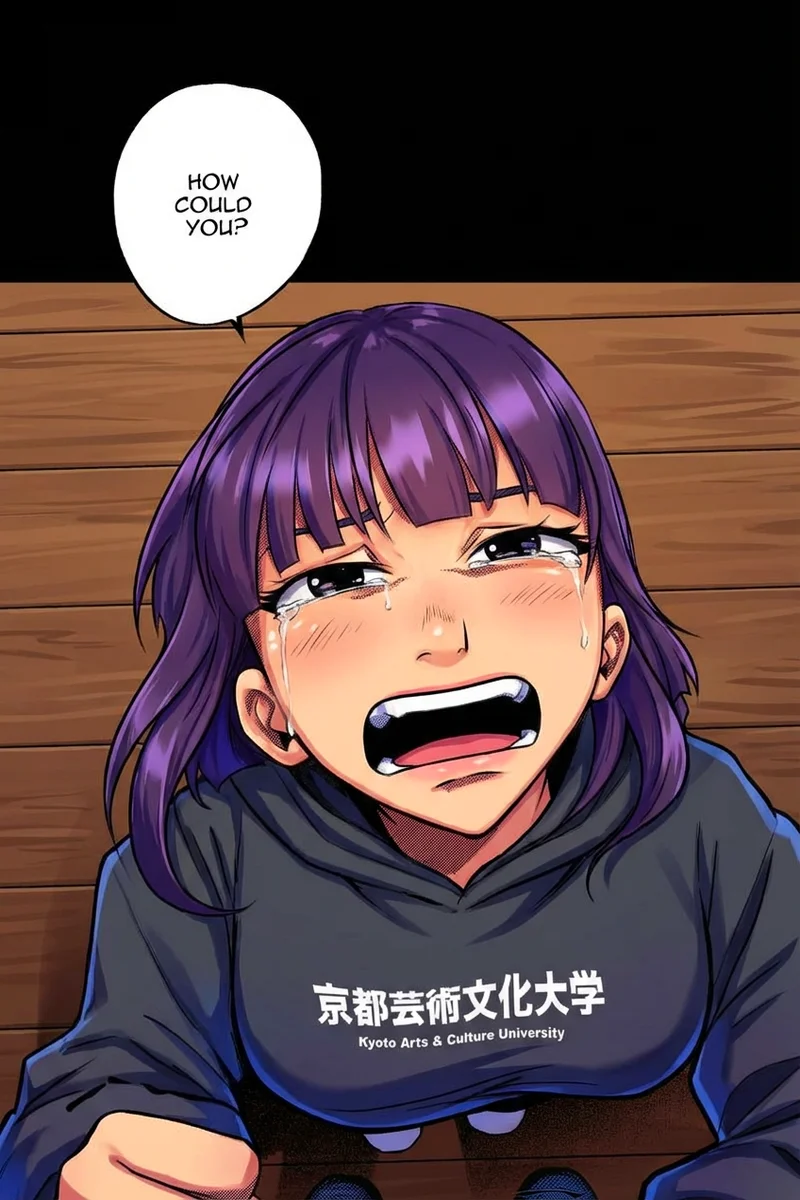
Color
Manhwa (Korean Comics)
Manhwa is the Korean term for comics. Korean comics have their own rich history, distinct from Japanese manga, though there's been significant cross-cultural influence.
Traditional manhwa used a page-based format similar to manga but read left-to-right (like Western comics). With the rise of digital platforms like Naver Webtoon and KakaoPage, Korean comics shifted heavily to the vertical scroll format — which is where the term 'webtoon' comes from.
Modern Korean manhwa published on digital platforms is almost always in full color. This is a key differentiator from Japanese manga and has set reader expectations for the format.
Webtoons (Digital Vertical Comics)
Webtoons are a digital-native comic format designed for reading on smartphones. Instead of turning pages, you scroll vertically through a continuous strip of panels. The format was pioneered by Korean platforms like Naver Webtoon (now called Webtoon) in the mid-2000s.
The vertical format changes how artists compose panels. Instead of complex page layouts with panels arranged in a grid, webtoons use simpler compositions that flow naturally as you scroll. Wide panoramic panels, dramatic vertical reveals, and scroll-based pacing replace traditional page turns.
Webtoons are almost always published in full color. This is both a reader expectation and a platform requirement on most major services. The color adds to the immersive experience of the scroll format.
The webtoon format has gone global, with creators from every country publishing on platforms like Webtoon, Tapas, and Tappytoon. Many Japanese manga are now being re-released as colorized vertical-scroll webtoons for these platforms.
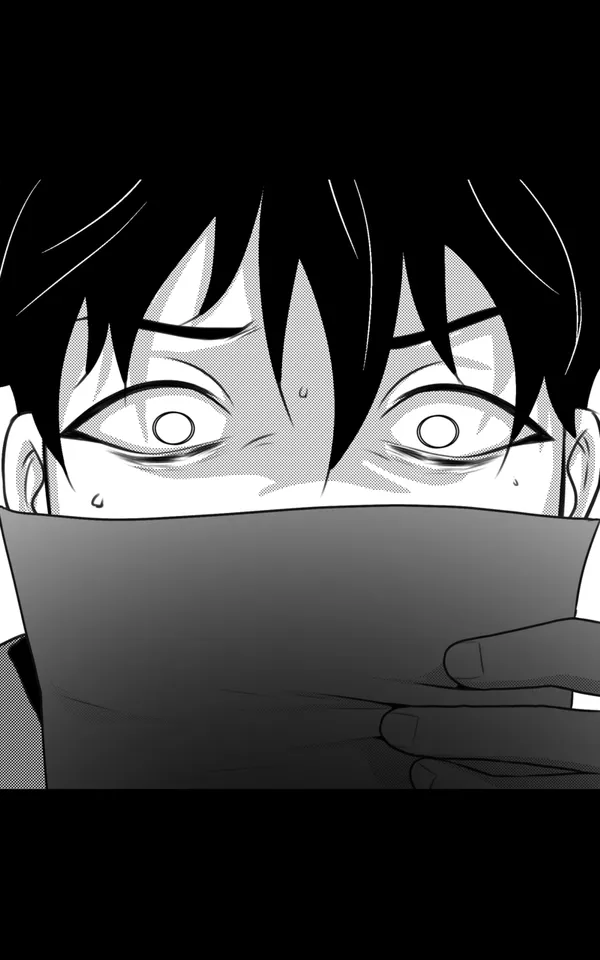
B&W

Color
Quick Comparison
| Feature | Manga | Manhwa | Webtoon |
|---|---|---|---|
| Origin | Japan | South Korea | Global (Korean origin) |
| Format | Page-based | Page or vertical | Vertical scroll |
| Reading direction | Right-to-left | Left-to-right | Top-to-bottom |
| Color | Black & white | Mixed | Full color |
| Primary platform | Print magazines | Digital platforms | Mobile apps |
Why Colorization Matters
The color gap between manga and webtoons creates an interesting dynamic. Manga has decades of beloved stories in black-and-white. Webtoons have trained a generation of readers to expect color. When these audiences overlap, there's natural demand for colorized manga.
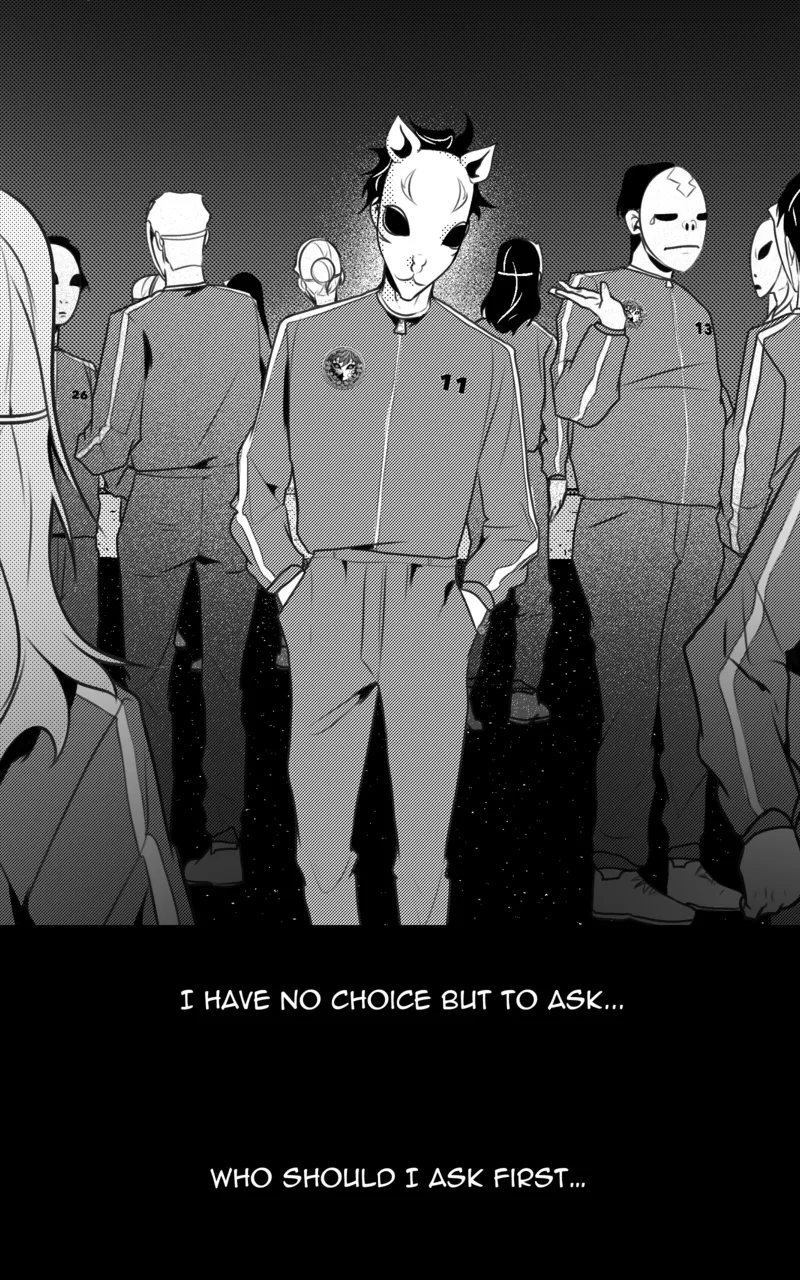
B&W
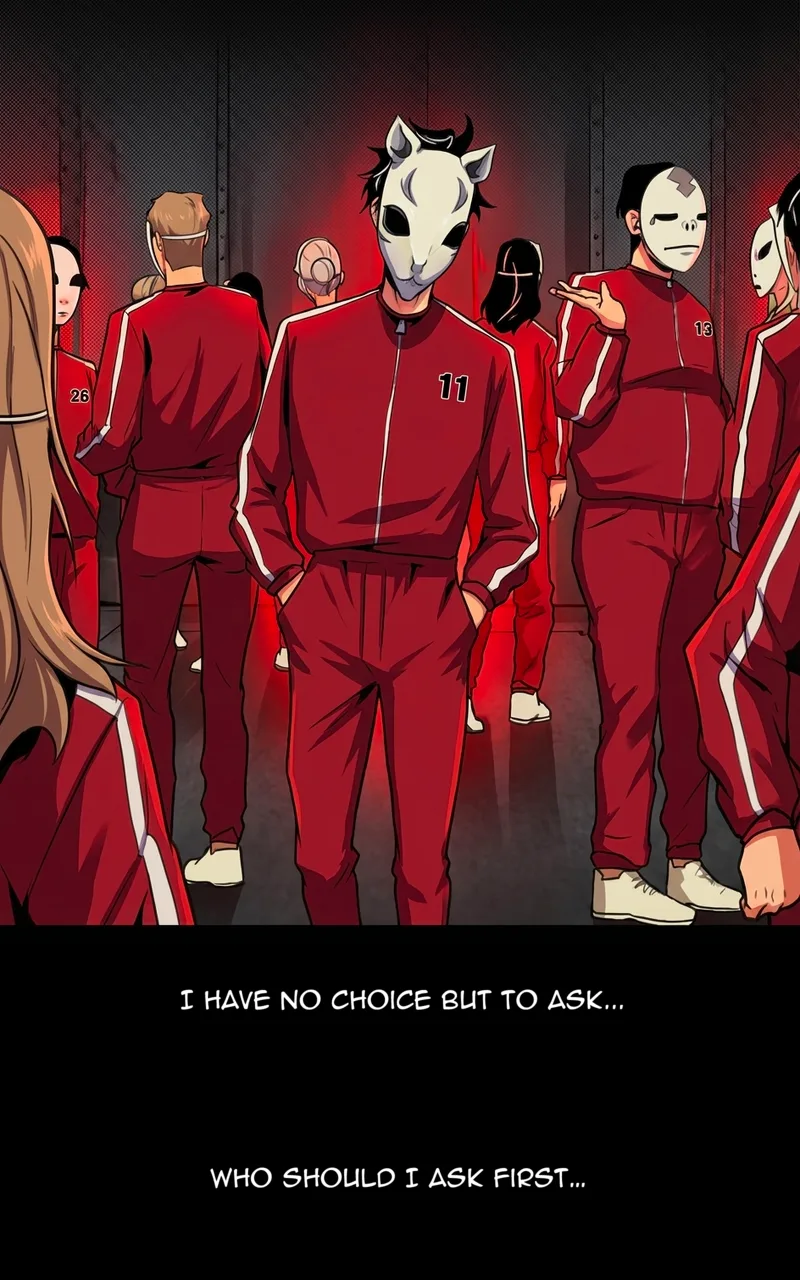
Color
Publishers have noticed — series like Dragon Ball, Naruto, and One Piece have received official full-color editions. But most manga will never get this treatment due to the cost and effort involved.
AI colorization fills this gap. Fans and scanlation teams can now create colorized versions of their favorite series, and webtoon creators working in black-and-white can add color to reach broader audiences.