How AI Manga Colorization Works: The Technology Explained
A look under the hood at the technology behind AI manga colorization — the challenges it faces, how modern models handle them, and what makes some tools better than others.
 Watashi Games|
The Basics: How AI Sees a Manga Page
When you upload a black-and-white manga page, the AI model receives a grayscale image — essentially a grid of brightness values from 0 (black) to 255 (white). The model's job is to predict what color each pixel should be.
Modern colorization models are built on large vision-language models (VLMs) that have been trained on millions of images. They understand that skin has warm tones, skies are usually blue, vegetation is green, and indoor lighting is warmer than outdoor lighting.
The model also understands manga-specific conventions: speech bubbles should stay white, panel dividers should stay black, and speed lines are effects rather than colored objects. This contextual understanding is what makes modern AI colorization so much better than simple heuristic approaches.
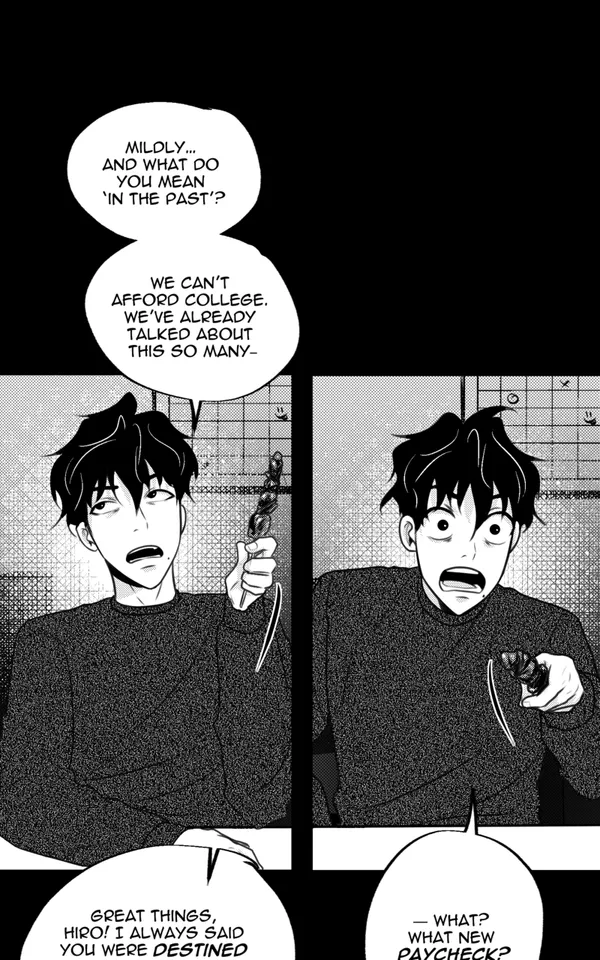
B&W
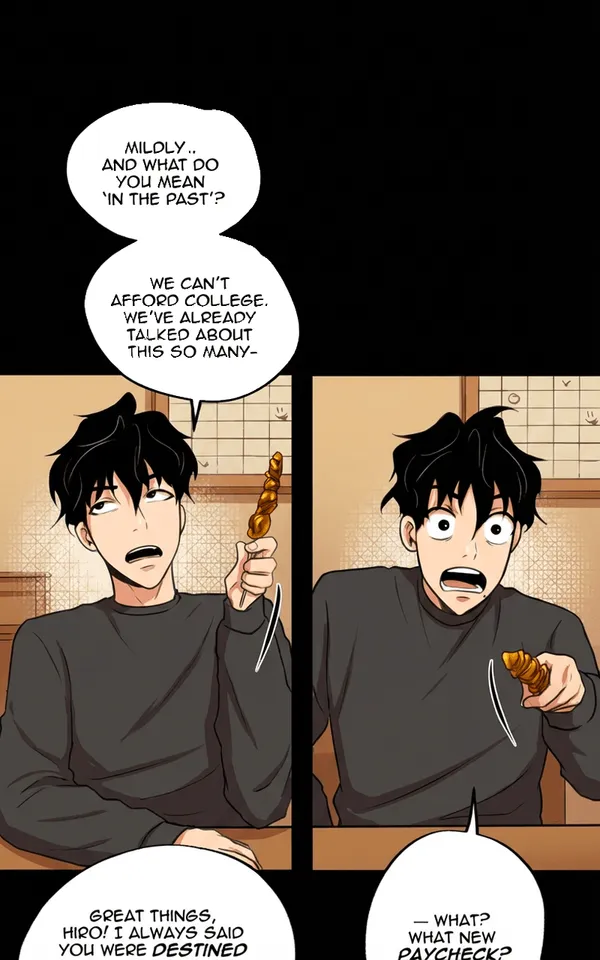
Color
The Hard Problems
Color Consistency Across Panels
The biggest challenge in manga colorization isn't coloring a single panel — it's keeping colors consistent. When an AI processes images independently, it makes fresh color decisions for each one. A character's red jacket might become maroon, crimson, or orange depending on the lighting and context of each panel.
This is the 'cross-panel consistency problem,' and it's the primary reason naive single-image colorization fails for sequential art. Every tool that processes images in isolation will produce a chapter that looks like it was colored by a different artist on every page.
Panel Dividers and Black Regions
Manga pages are separated by black panel dividers — thick black lines or gaps between panels. An AI model that doesn't understand this convention might try to 'fill in' these dividers with art or color, treating them as dark regions that need colorization rather than structural elements.
The challenge is distinguishing between intentional black regions (dividers, borders) and dark art content (night scenes, shadows, dark hair). A dark-haired character on a black background looks very different from a panel divider at the pixel level, but both are predominantly black.
Scene Continuity Across Pages
In printed manga, a scene often spans multiple pages. A conversation in a café might cover 3-4 pages, and the café walls, furniture, and lighting should be the same color throughout. But when each page is colorized independently, the AI has no knowledge of what the previous pages looked like.
This is especially problematic at page boundaries. The last panel on page 12 and the first panel on page 13 might show the same room, but if they're processed separately, the AI might choose completely different colors for the background.
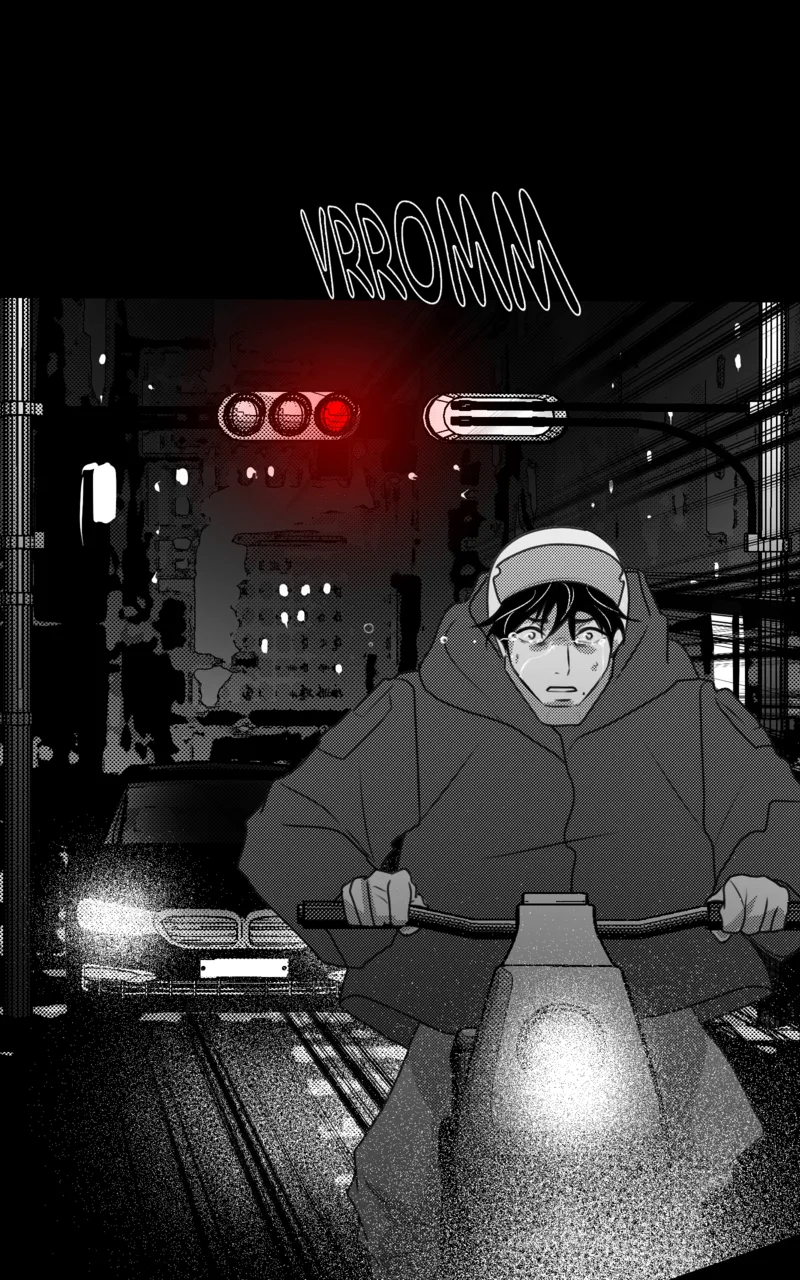
B&W
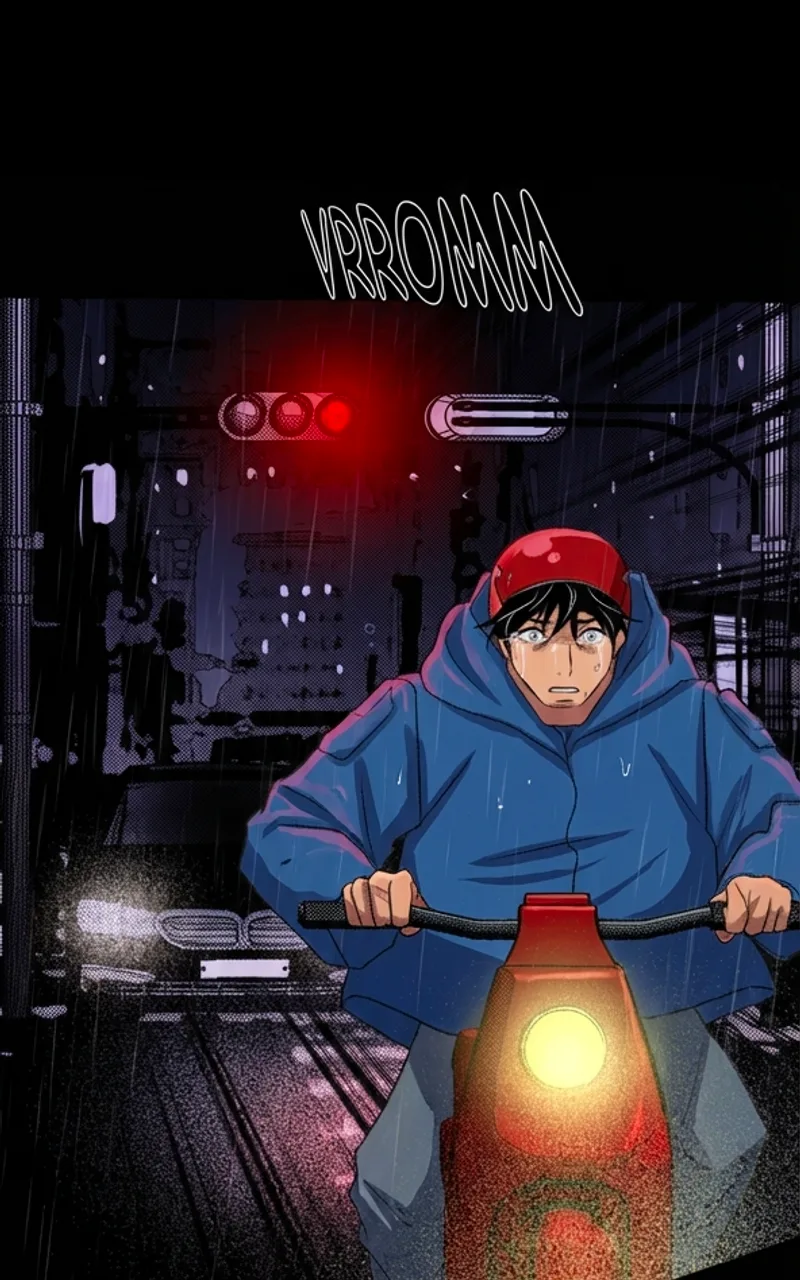
Color
How Modern Tools Solve These Problems
Smart Batching
Instead of processing one image at a time, smart batching groups multiple sequential pages together into a single input. The AI sees several pages at once, giving it visual context to maintain color consistency across scenes.
The challenge with batching is deciding where to split. If you cut a batch in the middle of a continuous scene, the AI still has to make independent color decisions at the boundary. Smart batching analyzes panel dividers to find natural scene breaks — like chapter section dividers — and splits batches there.
Virtual Image Splitting
Long vertical webtoon strips often contain multiple distinct scenes separated by large black voids. Processing the entire strip as one image wastes context and forces unrelated scenes into the same batch.
Virtual image splitting detects these internal black voids and splits each strip into individual art bands. These bands are then re-grouped by scene continuity rather than original image boundaries. The result: each batch contains only related art, and the AI can focus its context on maintaining consistency within actual scenes.
Character Palettes
Character palettes are text descriptions of each character's colors — 'Hiro: black hair, brown eyes, white school uniform with blue accents.' These descriptions are injected into the AI's prompt as instructions, not just suggestions.
The AI treats palette entries as constraints. When it sees a character matching a palette description, it follows the specified colors rather than guessing. This is the most reliable way to ensure a protagonist's hair color stays consistent across an entire series.

B&W

Color
Context Learning
Beyond character colors, environments have consistent palettes too. A school hallway has the same wall color throughout a chapter. A character's bedroom has the same curtain color every time it appears.
Context learning captures these environment-specific colors after processing a chapter and stores them for future use. When you colorize the next chapter, the tool remembers that 'Hiro's bedroom has pale blue walls and dark blue curtains' and applies those colors automatically.
Where AI Colorization Is Heading
AI colorization technology is improving rapidly. Each generation of vision-language models brings better understanding of context, more accurate color prediction, and fewer artifacts.
The trend is toward models that can handle longer sequences — eventually processing entire chapters as a single context rather than in batches. This would eliminate batch-boundary consistency issues entirely.
We're also seeing improvements in style control. Future tools will likely let you specify an artistic style ('anime cel-shading', 'watercolor', 'realistic') and have the AI consistently apply that style across all pages.